
You’ve likely noticed the constant evolution of web design lately, a dynamic mix of bold visuals, innovative layouts, and interactive elements. Some designs are genuinely impressive. Others offer a glimpse into the future of digital presence. But for any business focused on tangible results, the central question remains:
Do these captivating trends genuinely help transform visitors into loyal customers?
Ultimately, a website is an indispensable growth engine for your business.
The truly effective web design trends extend beyond mere aesthetics. They prioritize clarity, cultivate trust, ensure rapid performance, and skillfully guide users toward desired actions.
When executed thoughtfully, your website becomes a silent, always-on salesperson, diligently working to achieve your objectives. This is exactly what effective web design services are built to do.
Let’s delve into 9 web design trends that are not just popular but unequivocally proven to elevate conversion rates.
1. Clarity-First Design: Prioritizing Understanding Over Artistry
For years, many brands aimed for distinction through abstract headlines, intricate layouts, and overtly creative phrasing. The fundamental issue with this approach is that users don’t wish to decipher puzzles. They seek immediate comprehension.
Today, high-performing websites are shifting decisively toward a clarity-first design philosophy. This means a direct, transparent, and effortless user-friendly experience.
What does this approach involve?
- Straightforward headlines: These clearly articulate your core offering and the value you provide from the outset. No ambiguity, just direct communication.
- Intuitive navigation: A streamlined digital pathway that minimizes user effort and friction, ensuring visitors can easily find what they need.
- Clear visual hierarchy: Your design actively directs the user’s eye to the most critical information, ensuring key messages and calls to action are prominently featured.
When a visitor lands on your homepage, they should be able to answer three essential questions within moments:
- What exactly does this business offer?
- Is this offering relevant to my needs or challenges?
- What is the logical next step I should take?
If your design fails to provide swift answers to these questions, you are likely losing potential conversions before the user even begins to explore further.
2. Strategic White Space: Enhancing Focus and Readability
Consider white space not as an empty area but as essential breathing room for your content. It’s no longer just an aesthetic preference; it’s a deliberate performance strategy.
Cluttered layouts can overwhelm users. When every element competes for attention, nothing truly stands out. Conversely, intentional spacing helps users process information more efficiently and concentrate precisely on what matters most.
High-converting websites leverage white space adeptly to:
- Highlight key messages: By surrounding critical text or visuals with ample, clear space, you give them prominence, making them instantly noticeable.
- Clearly separate sections: White space acts as a visual divider, organizing content into digestible blocks and improving overall page flow.
- Make calls to action distinct: When a button or link is surrounded by sufficient clear space, it naturally becomes a focal point, encouraging engagement.
This approach doesn’t result in a barren or uninteresting design. Rather, it cultivates elegance and efficiency, allowing your valuable content the space it needs to be absorbed and appreciated.
3. Mobile-First Design: The Modern Standard, Not an Option
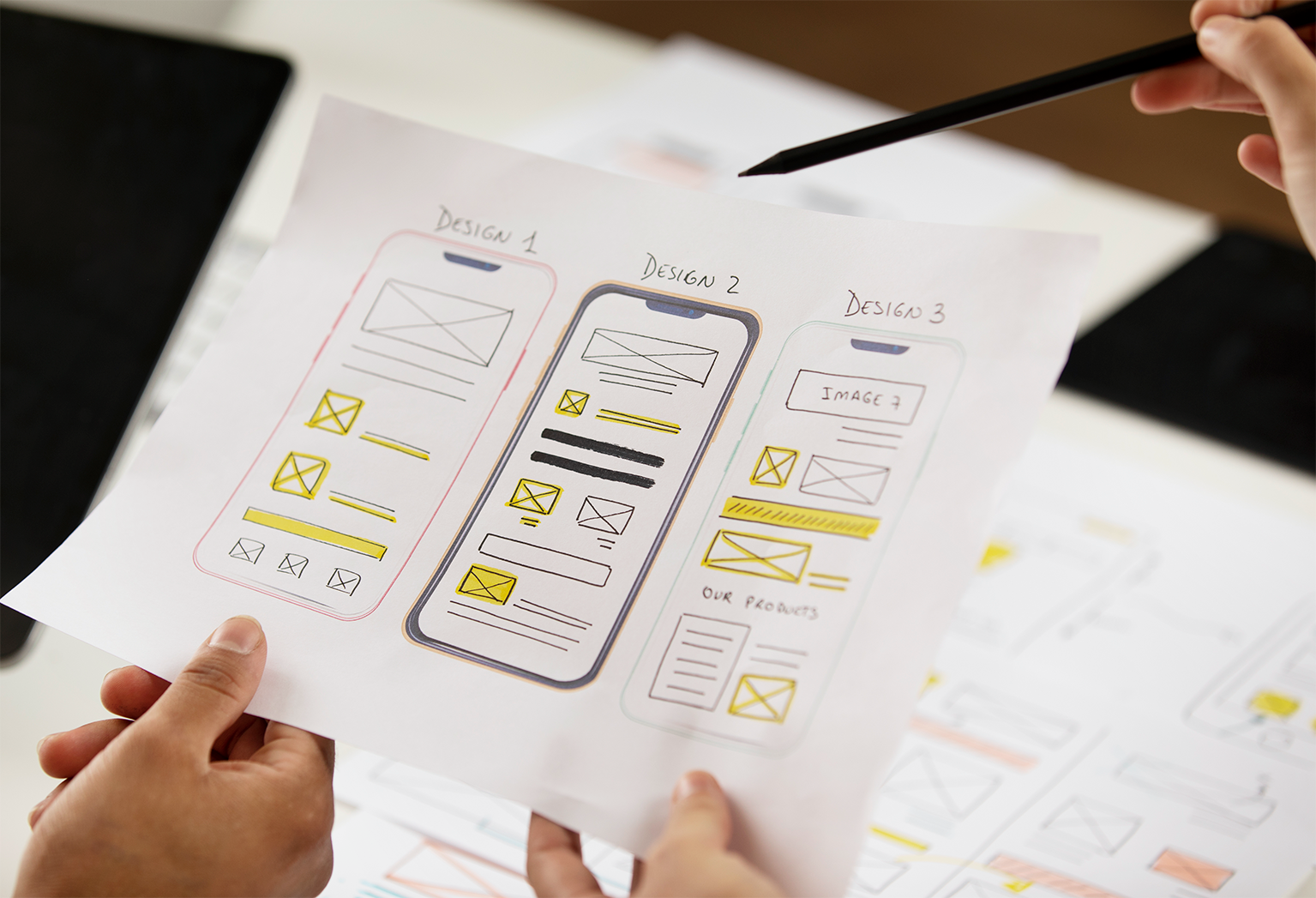
This is no longer merely a trend; it is the fundamental standard for contemporary web design.
A significant majority of users will interact with your site on a mobile device first. If this initial experience is cumbersome, slow, or difficult to navigate, they will promptly disengage.
True mobile-first design transcends simple responsiveness. It embodies a commitment to prioritizing the mobile user experience from the very inception of your website’s development.
What defines a robust mobile experience?
- Simplified navigation: Designed with large, easily tappable elements and streamlined menus optimized for smaller screens.
- Concise, scannable content: short paragraphs, bullet points, and clear headings are crucial for users on the go.
- Key actions within thumb reach: Critical buttons and links are conveniently positioned for effortless interaction.
- Rapid load times: Ensuring the site loads quickly, even on less-than-optimal network connections.
Furthermore, Google actively prioritizes mobile performance in its search rankings. This means a superior mobile experience directly influences both your website’s traffic and its conversion capabilities.
4. Speed-Driven Design: A Decisive Competitive Advantage
Page speed is one of the most frequently overlooked yet profoundly impactful conversion factors.
Extensive research, notably from Google, including its Core Web Vitals guidelines, consistently demonstrates that even a one-second delay in load time can significantly diminish conversions.
Modern web design increasingly focuses on comprehensive performance optimization. This includes:
- Lightweight design elements: Employing efficient code and graphics to maintain agility.
- Optimized images and media: Ensuring all visual content is compressed for rapid loading without compromising quality.
- Reduced reliance on heavy scripts: Minimizing code that can impede site speed.
- Robust hosting and infrastructure: Utilizing fast, reliable hosting solutions built for optimal performance.
A fast website does more than merely enhance user experience. It actively builds trust. Users implicitly associate speed with professionalism, reliability, and a business that values their time, a powerful psychological trigger for conversion.
5. Conversion-Focused CTAs: Guiding with Intent and Value
Not all calls to action are created equal.
Generic buttons such as “Learn More” or “Submit” are being progressively replaced by more intentional, value-driven CTAs. These phrases speak directly to the benefit the user will receive by clicking, offering a clear promise rather than just an instruction.
Consider the impact of phrases like:
- “Get Your Free Flooring Estimate”
- “Book Your Injury Assessment Today”
- “Schedule Your Free Foundation Inspection”
Beyond the wording, placement is equally vital. High-performing sites strategically position their CTAs:
- A prominent primary CTA above the fold: This is your core call, immediately visible to new visitors.
- Supporting CTAs integrated throughout the page: These act as progressive prompts as users engage with more content.
- A compelling final CTA at the bottom: A powerful invitation for those who have fully absorbed your message.
Each CTA is carefully aligned with the user’s current stage in their decision-making process, making the path to conversion feel intuitive and natural.
6. Trust Signals: Architecting Credibility Directly into Design
Trust is among the most significant drivers of conversion.
However, simply adding a few testimonials or client logos is no longer sufficient. The way these elements are presented, their integration, visual context, and authenticity within your design, is paramount.
Modern web design explicitly integrates trust directly into the user experience:
- Clean, well-structured testimonial sections: Presenting genuine endorsements in a readable and credible format, perhaps with photos or industry affiliations.
- Case studies with clear, verifiable results: Demonstrating your capabilities through tangible success stories, complete with data and compelling narratives.
- Client logos strategically placed: Featuring recognized brands near key decision points instantly lends authority and social proof.
- Subtle credibility cues throughout the page: This includes professional certifications, security badges, or a consistently polished design that communicates attention to detail.
Users are continuously, subconsciously, evaluating whether they can trust your business. Your design should proactively affirm that trust before they even consciously formulate the question.
7. Scannable Content Layouts: Designed for Real-World User Behavior
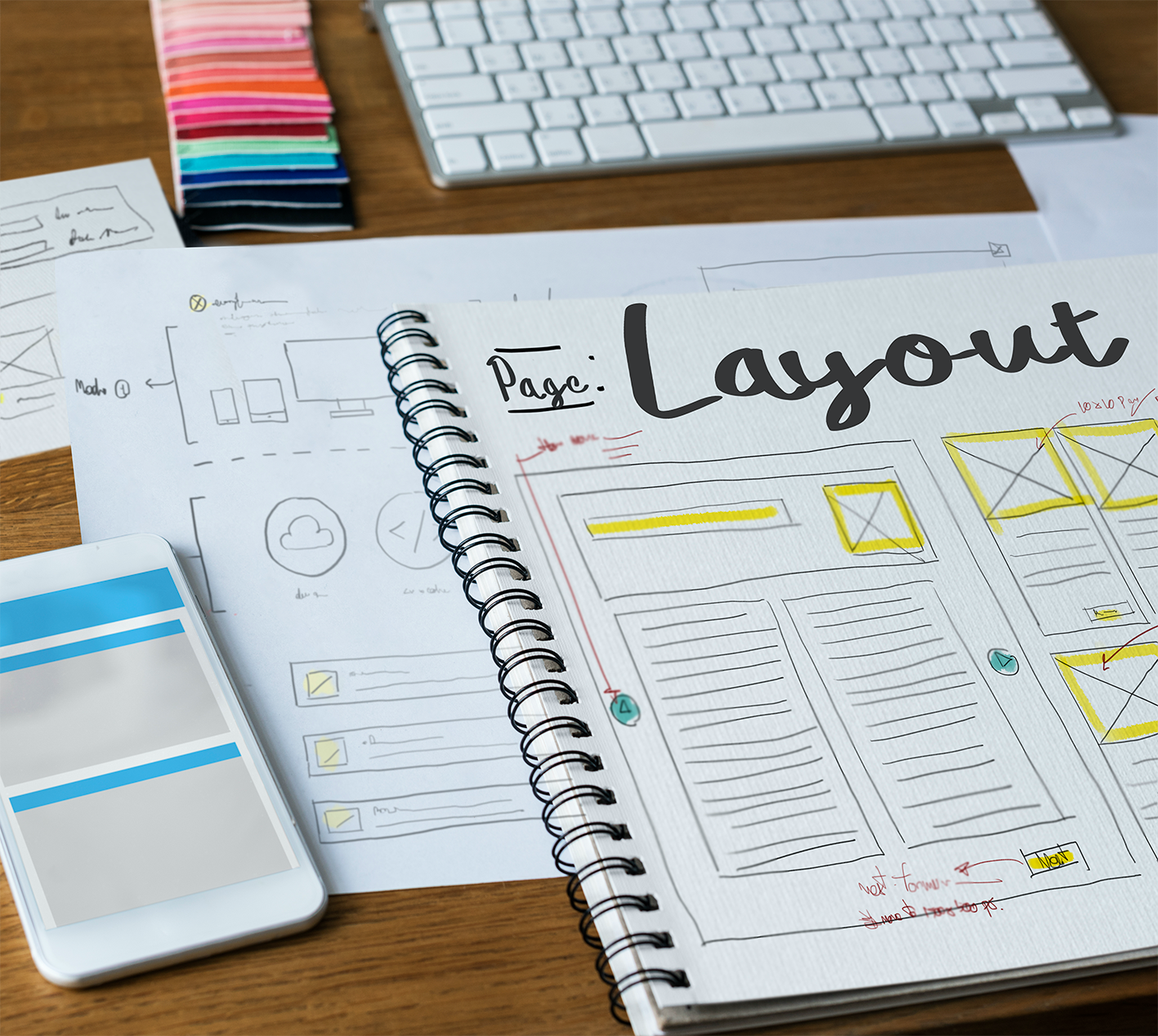
It’s a well-established fact that people do not read websites word-for-word. They scan for relevant information, key points, and quick answers.
This understanding is why effective content structure has become an indispensable component of intelligent web design. It’s about making your content easily digestible at a glance.
What defines an effective, scannable content layout?
- Clear, descriptive section headings: These act as navigational guides, allowing users to quickly locate topics of interest.
- Short, concise paragraphs: Breaking up dense text into smaller, readable chunks improves comprehension and reduces visual fatigue.
- Bullet points and numbered lists: Excellent for presenting complex information in an organized, easy-to-absorb format.
- Visual breaks between sections: Images, icons, or simply ample white space provide visual relief and signal new content segments.
This approach ensures users can efficiently find the information they need, keeping them engaged and progressing smoothly toward conversion.
8. Subtle Interactions That Guide, Not Distract
Animations and micro-interactions remain popular, but their application has evolved considerably.
Instead of overtly flashy effects that can distract, high-converting sites employ subtle, purposeful interactions to gently guide user behavior and enrich the experience. These small details make the website feel responsive and intuitive.
Consider interactions such as:
- Hover effects: Visual changes on clickable elements (e.g., a button subtly changing color) provide instant, reassuring feedback.
- Smooth transitions: Elegant fades or slides between page sections create a polished, seamless browsing experience.
- Visual feedback on buttons and forms: A momentary ripple or highlight confirms that an action has been registered, boosting user confidence.
The objective here is to ensure the entire user experience feels intuitive, responsive, and effortlessly engaging. These subtle cues act as helpful guides throughout the user journey.
9. Data-Informed Design Decisions: The Catalyst for Measurable Results
Perhaps one of the most significant shifts in contemporary web design occurs behind the scenes.
Design decisions are no longer solely based on subjective opinion or aesthetic preference. They are increasingly anchored in empirical data.
High-performing websites are continuously refined and optimized through:
- Heatmaps: These visual tools reveal precisely where users click, scroll, and pause, offering invaluable insights into their behavior.
- A/B testing: Systematically comparing two versions of a design element (e.g., a headline or CTA) to determine which performs better, ensuring continuous improvement.
- Advanced analytics: Deep diving into user journeys, identifying conversion paths, and pinpointing areas for optimization.
This means that the most effective web design trends aren’t just fleeting fashions. They represent validated patterns, consistently supported by real user behavior data, translating directly into tangible business outcomes.
Bringing It All Together
Ultimately, the most impactful web design trends aren’t about chasing novelty. They are about implementing strategies that consistently deliver results.
Concepts like absolute clarity, rapid speed, unwavering trust, and intuitive usability might not be glamorous, but they form the essential foundation of every website that effectively converts visitors into valuable customers.
If your website isn’t generating the desired outcomes, the challenge is rarely just insufficient traffic. More often, it stems from how that traffic experiences your site upon arrival.
Your website’s design is a powerful instrument. It is either actively facilitating user action or, perhaps subtly, deterring it. The distinction is paramount.
Many businesses struggle to translate design trends into actual conversions. At Lazarus Design Team, we specialize in building websites that don’t just look great but work even harder for your bottom line.
Discover the difference a conversion-focused design makes. Contact the Lazarus Design Team for a Personalized Website Assessment.